
Split Velocity Solutions, Outreach 14th March 2019
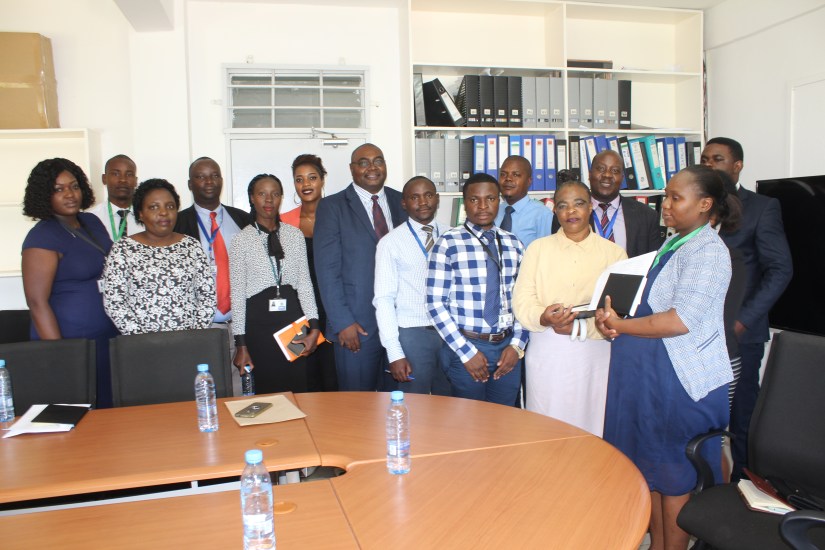

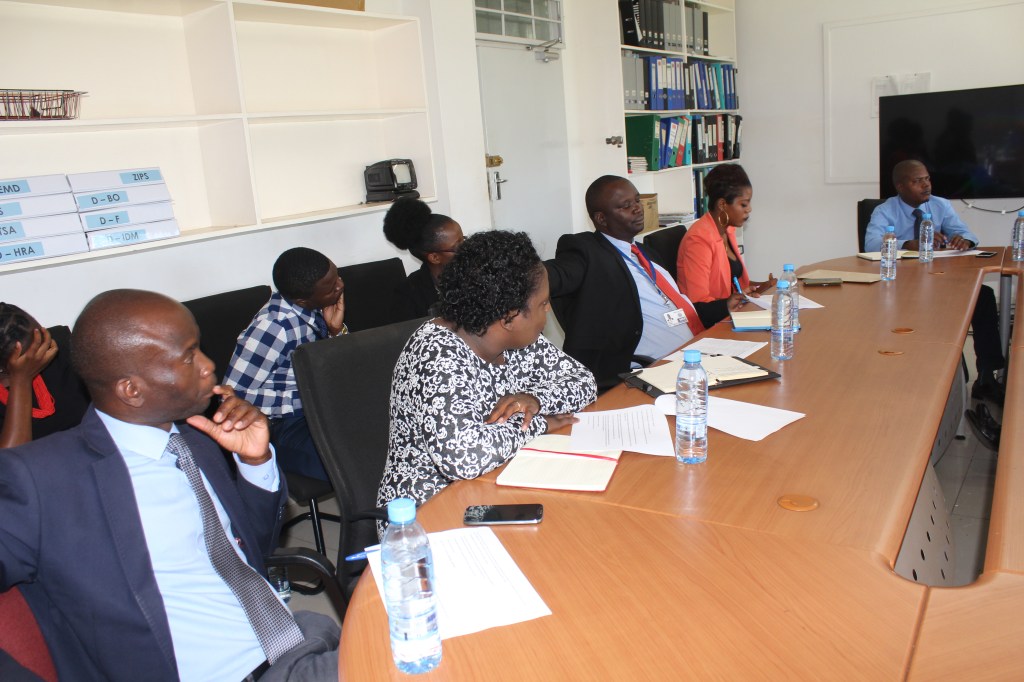
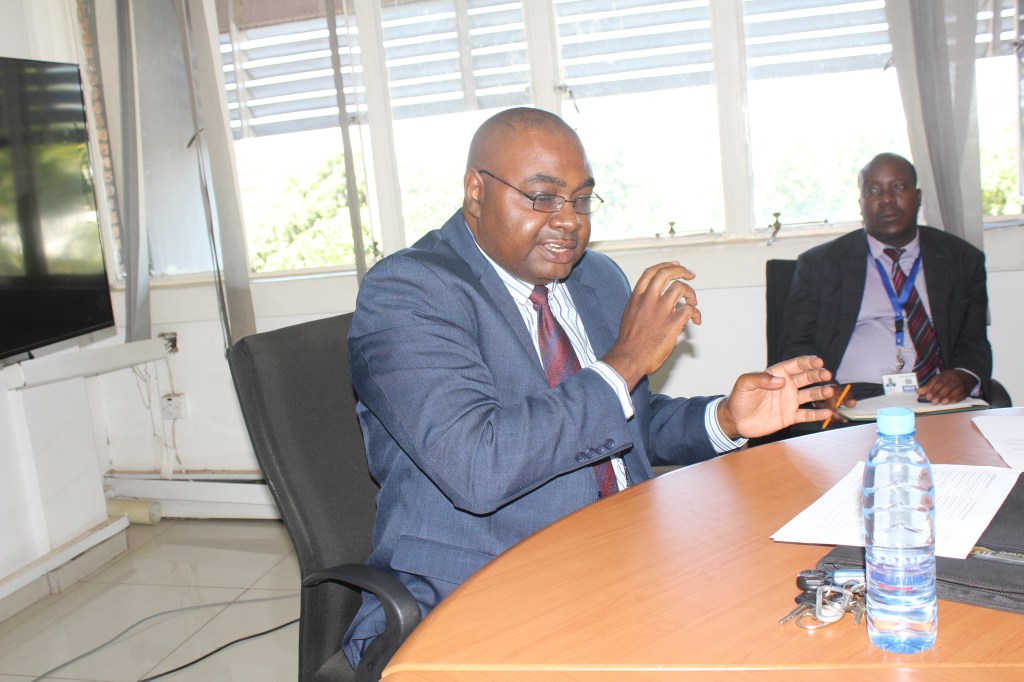
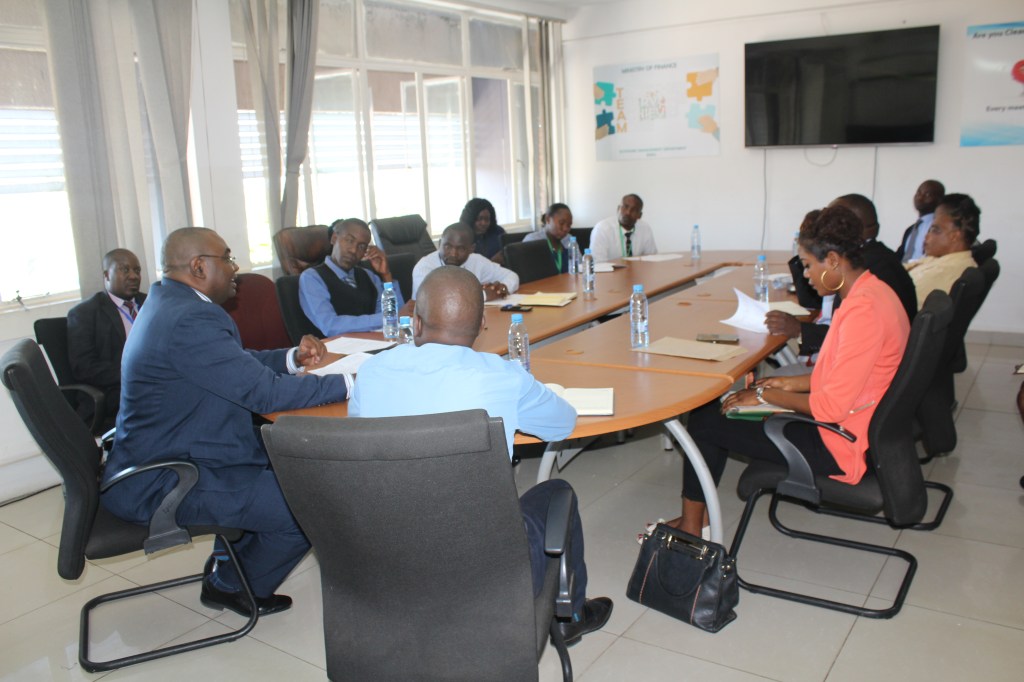
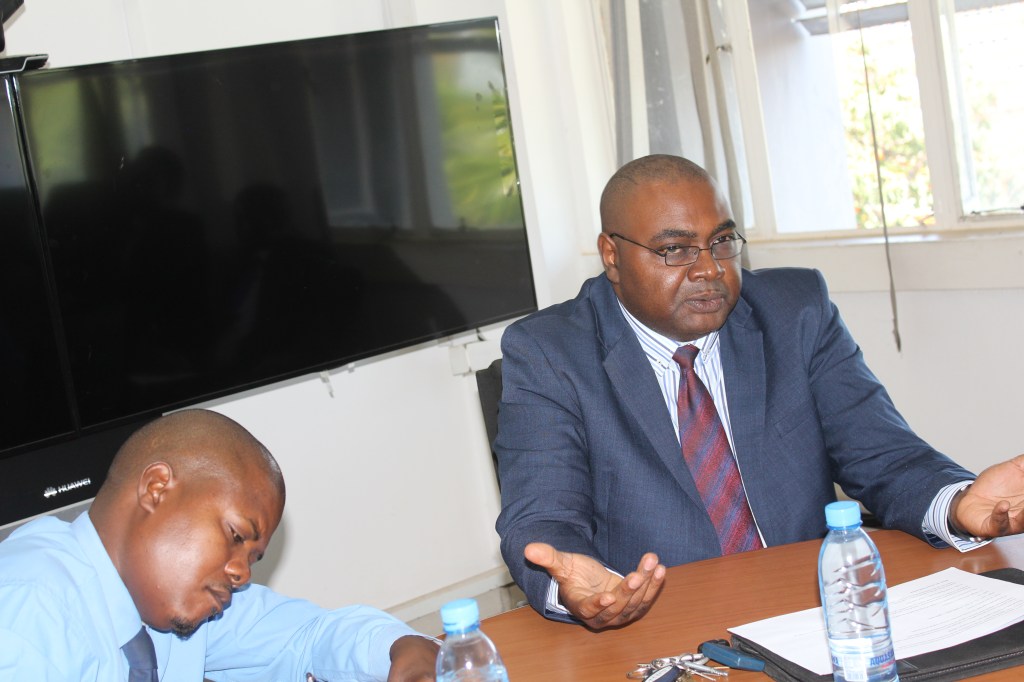
We would like to thank the Ministry of Finance, Economic Management and Planning department for being forward looking, responding to our letter and inviting us to give a presentation on accelerated growth. The meeting was very successful. After the presentation pertinent questions were asked about how the system would work, including modalities of changes in financial architecture that would allow the introduction of a new more efficient and business friendly cost equation. All the questions were answered and an animated discussion ensued. We are impressed by the staff and bright minds at the Ministry and look forward to further collaboration as we continue to embark on our outreach to gain further buy in for our new tools and approach that can be applied to managing a national economy.
Highlights
During the discussions a need for a pilot to test and provide proof of concept for the new financial model was brought up. The team from SVS Ltd was impressed when the Assistant Director sitting in for the Permanent Secretary suggested that a pilot need not be too wide in scope to begin with, but should ideally focus on one pertinent area of the economy. The area suggested was the fuel sector.
[Note: Applying the new model to the fuel sector would allow pump prices of fuel to fall by as much as 35%. This would drop the fuel price in Zambia from K15.20 to K9.88. The effect would be immediate. This improvement in the fuel price would be gained purely from the increase in the efficiency of money provided by the new Split Velocity model. Although the price of fuel would fall overnight the earnings per litre at the pump for filling stations would climb to K19.76 per litre. All the businesses in the petroleum industry in the supply chain would similarly benefit from this improved profitability. It is common sense that filling stations would rather earn K19.76 per litre of fuel than the current K15.20, meanwhile the end users, that is consumers buying fuel would benefit from buying it for K9.88 rather than K15.20. This reduced fuel price would have significant positive impact on the economy in that the general price level (inflation) should fall and the Kwacha strengthen in value, since transport affects the majority of goods and services on the market. Setting up this pilot to achieve this and gain proof of concept would be relatively easy.] Note that this simple analysis does not include comprehensive supply chain efficiency of a split velocity system therefore it may be possible to obtain even better results for both consumers (even lower pump price) and petroleum industry (even higher profitability) in the Zambian economy than illustrated by this simple example.
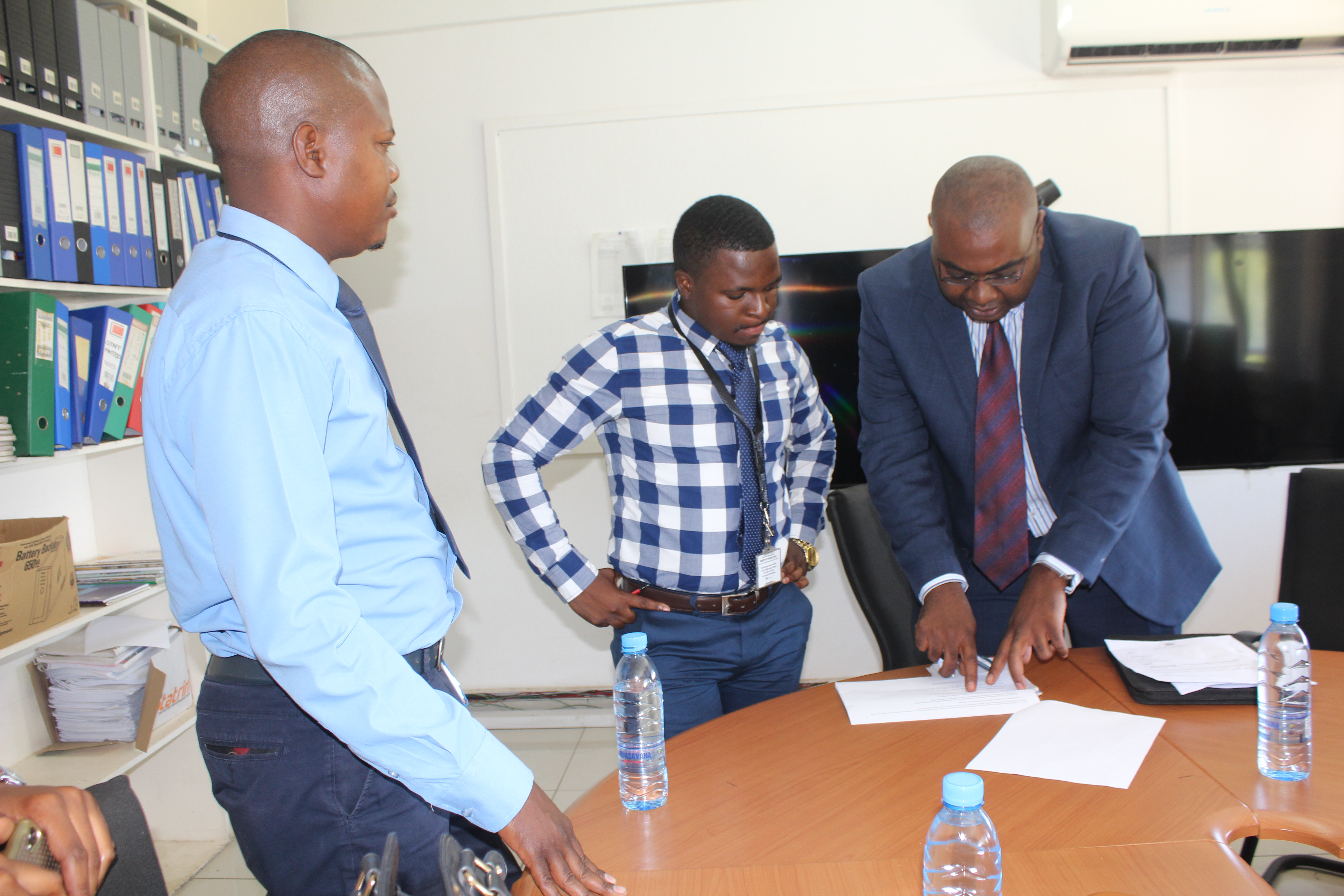
It was pointed out that the Split Velocity system was new and it would require buy in from technocrats for it to be implemented. The Bank of Zambia is one of the key institutions and stakeholders that would need to be convinced about the new system for a pilot to succeed. The potential benefits of the new system to the Zambian economy are also quite significant. More would need to be done to bring knowledge about how the new system works to stakeholders.

 Split Velocity Solutions Ltd